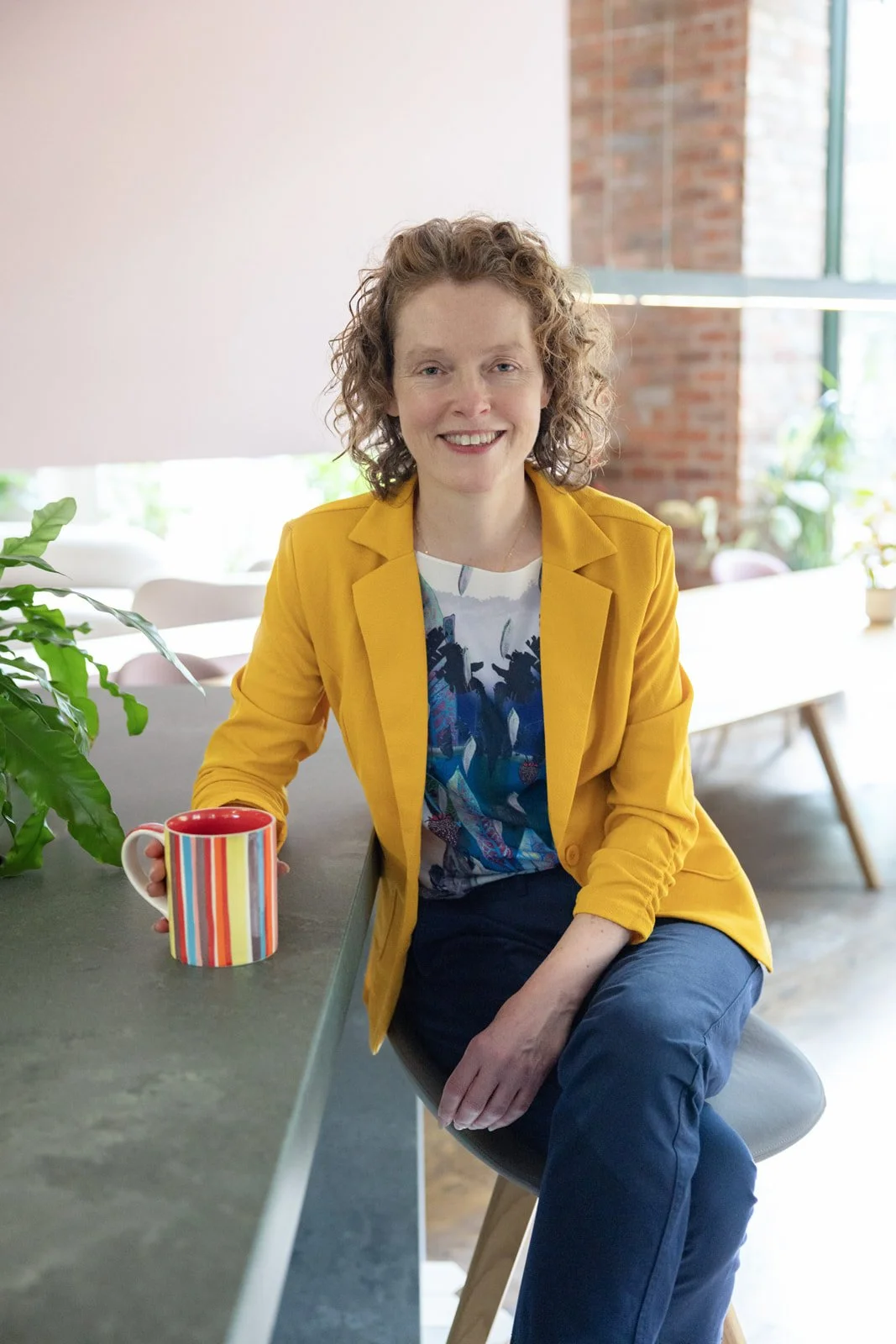
About Rachel
I have known the power of hypnotherapy since I was a teenager when I had sessions for exam stress at school. Something about the experience stayed with me. I was curious how something so gentle could shift something so persistent.
Years later, working as a graphic designer in the web industry, I found myself dealing with stress and anxiety again. I knew hypnotherapy worked but rather than book sessions, I did something slightly unexpected. I trained as a hypnotherapist myself. I am not entirely sure I can explain why. It just felt right.
Working with my first clients confirmed this was the work I wanted to do. I was hooked. Not on the technique, but on what it made possible for people. The satisfaction of watching someone move from stuck to free is unlike anything I experienced in my previous career. I had spent years applying my creativity to brands I didn't particularly care about, feeling like a cog in a wheel. This was different. This work mattered.
How I got here
I didn't stop with qualifying in Ericksonian Hypnotherapy, I kept learning. I explored meditation, trained as a coach, and a couple of years ago I came across Emotional Freedom Technique, or EFT tapping as it's known. I tried it myself and felt how effective this deceptively simple technique is. For me, it was the missing piece in my practice. EFT offers a conscious, practical way to work with thoughts, feelings, and the nervous system that works beautifully alongside hypnosis. Together, the two approaches address sleep problems at a level that most conventional advice never reaches.
Why I specialise in sleep
Sleep was not where I started. I began by working with stress and anxiety, the issues that had originally drawn me to this work. But over time, across many clients, poor sleep kept coming up. And the more I looked, the more I realised what disrupted sleep was actually costing people. Focus, decisions, relationships, and health are all affected by sleep quality. And with my skills this was where I could make the biggest difference.
Sleep is foundational in a way that is easy to underestimate until it stops working. Try eating healthily when you're exhausted and craving sugar. Try exercising when you are running on empty. It's almost impossible to be patient with your team, your partner, or your kids when you haven't slept properly in weeks. Sleep is not a luxury. It is the thing that makes everything else possible.
My own experience of sleep
I also have a personal relationship with this work that goes back a long way.
Most people say they slept well as a child. I didn't. My bedroom was at the back of the house, and I remember hearing break-ins nearby. I didn't feel safe at night, even though nothing ever happened to me directly. My nervous system was on high alert, and it stayed that way.
At university, sharing a house in my third year, I had a bedroom next to the living room where people sat up talking until late. I remember being in tears on the phone to my mum, exhausted in a way that felt impossible to live with. I know what it's like to lie awake in the early hours when you're desperate for sleep.
As an adult, I felt more secure. But I remained a light sleeper for years, waking at every sound. Working with my own nervous system, using the same approaches I use with clients, changed that. I sleep differently now. Not perfectly, but genuinely better. That matters to me, because I know personally the difference a calmer nervous system can make to your sleep.
What it's like to work with me
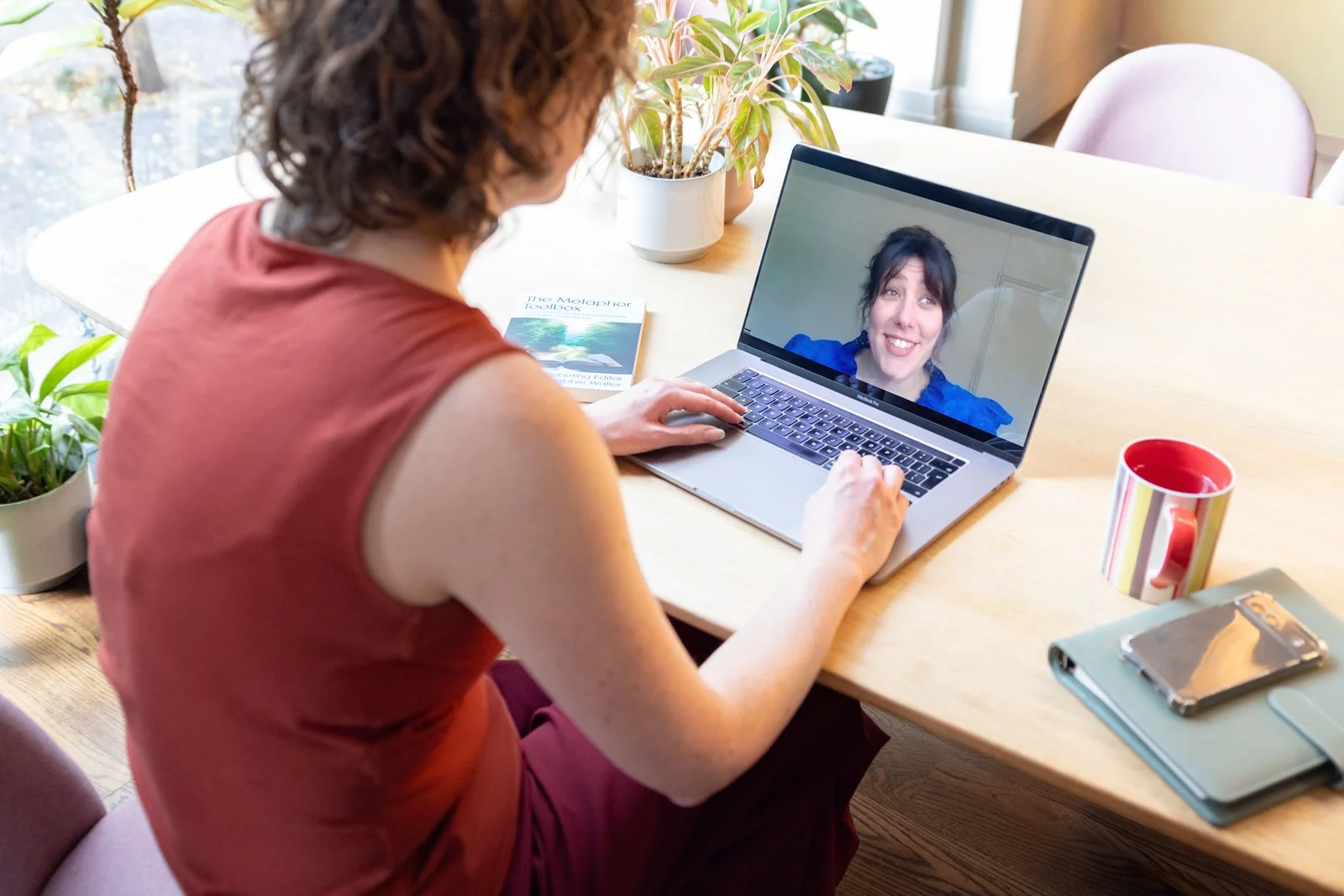
My approach is practical. I won't ask you to completely overhaul your lifestyle or give you lengthy homework. You don't need to go into minute detail about personal or painful experiences. I don't need every detail to do effective work. I meet you where you are, and work with what you're comfortable sharing.
That said, this isn't magic. Just as you can't stop going to the gym and expect to keep your fitness, your nervous system needs ongoing attention to stay resilient in the face of everything a busy life throws at it. We'll work together to find a simple routine you can weave into your day without it feeling like another thing on your to-do list. Little and often is genuinely more effective than occasional long sessions with big gaps in between.
The goal is better sleep and a more resilient nervous system. Waking in the night is a normal part of sleep, and the occasional rough night is part of being human. What we're working towards is a nervous system that can handle life without it costing you your sleep.
My programme has a clear structure, but the work inside it is always tailored to you. I bring the same creativity I used in my design career to every client I work with, because no two people are the same and no two sleep problems are identical.
If any of this resonates, the next step is a free 30-minute consultation. It's a chance to talk through what's been happening with your sleep and find out whether this approach is a good fit for you.